


Wild-Spain.com
About Wild Spain: info (english) | info (castellano) | Newsletter


  Information on Nature and Outdoor Travel in Spain

Articles - Fast loading and printer-friendly
Want to contribute an article? Contact editor@wild-spain.com
Nature-lover's dream home in Formentera
Amazing cliff-top property for sale [Advert]
Watch dolphins and sea-turtles from your garden 
(for the rest of your life) [Advert]

Articles search:
(One word or exact sentence only. Leave empty to see all)

Spain - Birds and Birding     Rating: 8 Rating: 8 Rating: 8 Rating: 8 Rating: 8
<< To index To next article >>
[ Printer Version ] [ Send to a Friend ] [ Add a Comment ] [ Rate article ] [ Author Info ]


All countries have their natural treasures and beautiful, special places in which to seek out and enjoy them. Spain is no exception but to an extent unusual among western European countries. Most of the country, towns and cities included, offers the naturalist plenty of interest and it is the barren, spoilt corners that are the exception. There are of course threats aplenty to the continued survival of wild Spain from all the usual sources; intensification of agriculture, pesticide application, deforestation, industrialisation, pollution….. the list continues. Still, there is an enormous groundswell of interest in Spanish wildlife, among Spaniards and visitors, which augurs well for the future and there are plenty of reasons to be optimistic.

Birds are a favourite element in any national wildlife inventory. Depend on it, if the bird community is varied and abundant, not too much is wrong with a place and there will be plenty of other less obvious animals to find as well, all supported by a healthy plant community. Birds are very obvious in Spain, not least because many of them are very big. You would have to be blind indeed to miss the hefty nests of the White Storks, atop every church and significant edifice in many of the southern and western towns. Flocks of startlingly white Cattle Egrets accompany the cows everywhere. Then there are the big brown birds; eagles, kites, hawks, buzzards and vultures are simply unmissable over large tracts of the countryside. The Griffon Vultures in particular, with their “flying plank” silhouette, dominate many a gorge and ridge-top. The smaller birds demand notice on account of their abundance. Fences and roadside wires offer a cornucopia of variety in season. A short drive through the countryside just about anywhere is likely to provide a succession of Bee-eaters, Woodchat Shrikes, Barn and Red-rumped Swallows, Corn Buntings, Stonechats, Goldfinches and many others, all making good use of man-made perches.

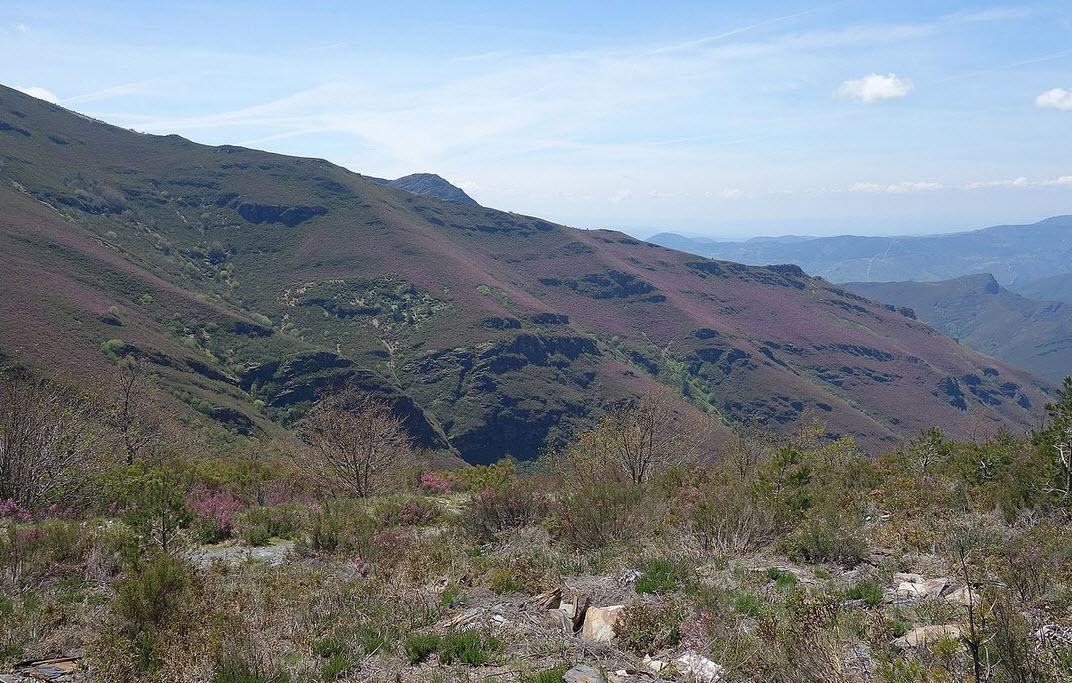
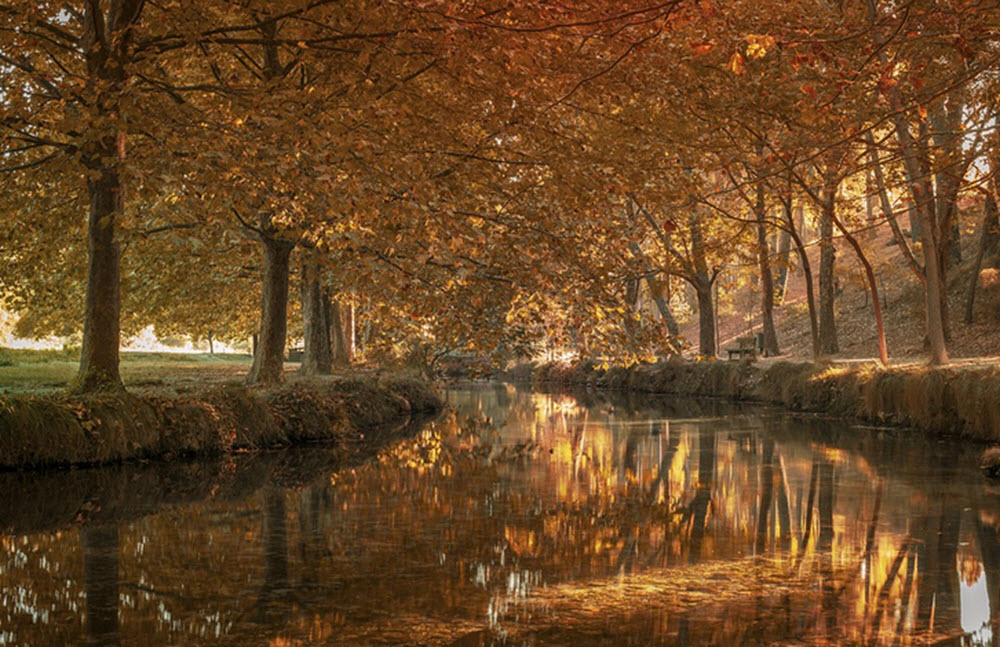
All this may make it seem that one part of Spain is, ornithologically-speaking, much the same as another. This is very far from being the case. Spain is a land of varied and contrasting terrain, including not only two climatic zones, the northern temperate zone and the Mediterranean zone, but also an important marine influence. Habitats range from snow fields and alpine moorland, through evergreen and deciduous forests, to vast areas of steppe-like grasslands, to rivers, lakes and mountains and even a desert. Man-modified habitats are most significant too, especially the croplands and pastures and the managed woodlands; the western corkwoods and holm oak woods, but also the salt pans, the villages, towns and cities and the reservoirs. All have their characteristic birds.

For many, Spain means a seaside holiday and they are satisfied with the dubious charms of Torremolinos or Benidorm. This is a pity, since the country has so much better to offer, but the coasts do have plenty to interest the birder.

Try the northern coast, especially the headlands for seabird watching and the numerous tidal inlets for waders. Here there is seabird migration on a grand scale, especially of Gannets, shearwaters, gulls, terns, skuas and auks. Sabine’s Gulls are a regular feature during the autumn. The north coast is also well known for the number of vagrant North American waders which turn up every year. The southern Atlantic coast, running east from the Algarve, is also of great interest to seabirders and it offers additionally the major estuaries and reserves of the Odiel and Guadalquivir, the latter including of course the Coto Doñana National Park.

The Mediterranean coast is mainly low-lying and sandy but it is good for seabirds too, especially in winter and at migration time. The enormous delta of the river Ebro, on the Catalan coast, is a must-see site, with its hordes of waterfowl and waders and its wonderful colonies of herons, gulls and terns. A key species here is the attractive Audouin’s Gull, a recent colonist which now breeds in thousands before migrating westwards to winter on Atlantic shores of the southern coast and northwest Africa.

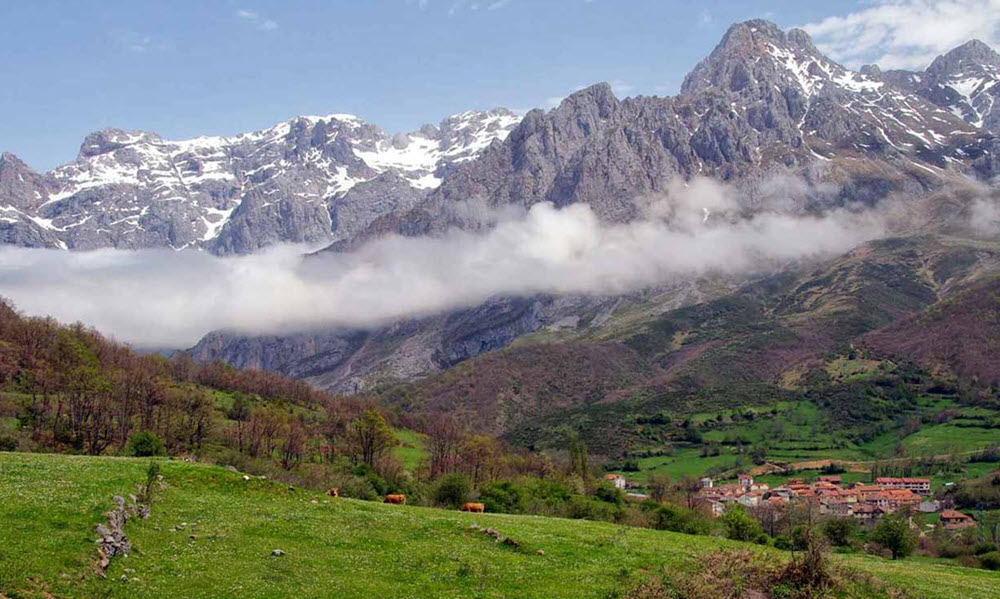
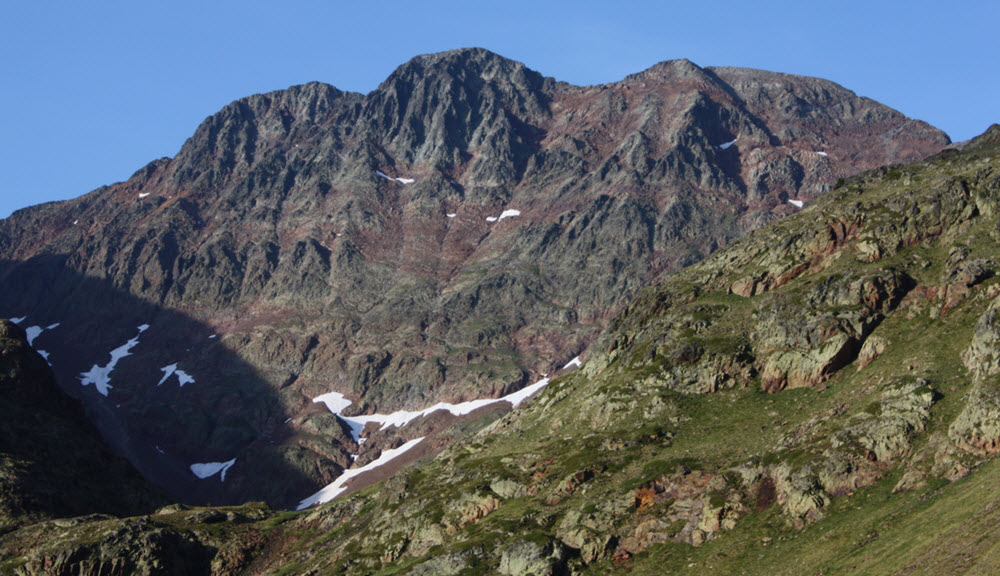
The temperate lands of Asturias, Cantabria and the Pyrenees are very different from most people’s idea of Spain. The coast is reminiscent of Cornwall or Devon, often damp and drizzly and with gorse-covered heathland and rocky headlands. Inland, cool forests lead up to magnificent mountains, as in the Picos de Europa and the Pyrenees themselves. The birds here are continental in flavour and include many which are absent further south. Spanish birders come here to seek the Goldcrest and the Northern Treecreeper, for example. Everyone looks for the Capercaillie, the special woodpeckers; Black, Middle-spotted and White-backed, the Wallcreepers, the Alpine Choughs, Alpine Accentors, Water Pipits and Snow Finches and, of course, the Lammergeyers. These last are slowly increasing in their Pyrenean refuges and there are signs of some western spread into Cantabria. Seeing this magnificent, immense bird, would be a highlight of any birder’s trip to northern Spain.

The bulk of Spain is Mediterranean in character, but there are contrasts between the wetter western regions of Extremadura and southwestern Andalucia and the much drier Mediterranean coastlands. Driest of all is the desert of Almeria, in the extreme southeast, where Trumpeter Finches are a particular attraction. Dupont’s Larks are found here too but are easier to find further north, in the Ebro valley for example. The Moustached Warbler is also one to look for in the rather few wetlands of coastal eastern Spain.

To my mind, the easiest birding, and some of the most rewarding, is to be had in the western Andalucian provinces and in Extremadura. The former have world-class wetlands in the Guadalquivir estuary and many important smaller lakes. Waterfowl of all kinds abound but the big attraction for many birdwatchers will be the Purple Gallinules, the White-headed and Marbled Ducks, and the Red-knobbed (Crested) Coots. A must-see site is the Laguna de Fuentedepiedra, north of Málaga, with its thousands of breeding Greater Flamingoes and supporting cast of Slender-billed Gulls and Gull-billed Terns.

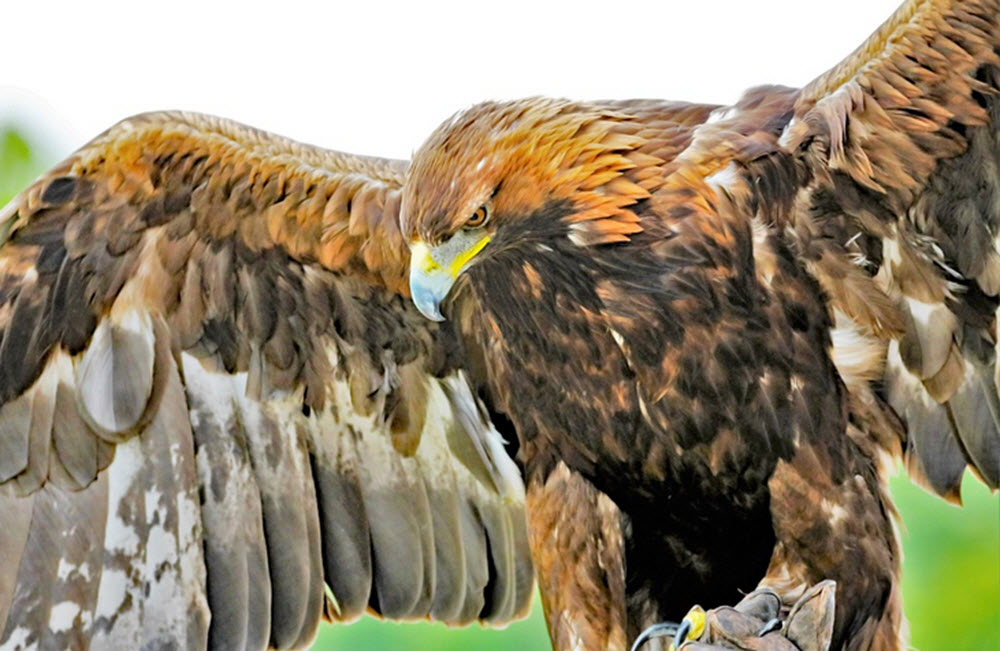
Both Andalucia and Extremadura offer a magnificent range of birds of prey. Top of the list must be the Spanish Imperial Eagle, a species confined to Spain and numbering fewer than 150 pairs. The Black-shouldered Kite must be the most attractive local raptor and is becoming increasingly numerous, especially in Extremadura. There are many more and it is not difficult to see all the species in a few days, visiting well-chosen sites such as the Strait of Gibraltar and Monfragüe in Extremadura. Here you can enjoy Black, Griffon and Egyptian Vultures; Black and Red Kites; Montagu’s, Marsh and Hen Harriers; Booted, Bonelli’s, Short-toed and Golden Eagles, Ospreys, Peregrines, Hobbies, Merlins, Eleonora’s Falcons, Common and Lesser Kestrels, Common Buzzards, Goshawks and Sparrowhawks. There is always a possibility of coming across other vagrant raptor species as well.

The steppes of Extremadura, and of central Spain generally, offer their own spectacle. Half of Europe’s Great Bustards live here. They are massive, stately creatures and quite unforgettable, especially in spring when the males are displaying. These same expanses of rough grassland are home to Little Bustards and Stone Curlews, to flocks of Pin-tailed and Black-bellied Sandgrouse and to a wonderful variety of larks. The song of the Calandra Lark is a constant feature of these peaceful pastures in spring and there are also Skylarks and Short-toed Larks in season, as well as resident Crested and Thekla Larks, with Dupont’s Larks also in the eastern tracts, Lesser Short-toed Larks in the driest spots and Woodlarks in the surrounding hills for good measure.

I have mentioned the conspicuousness of small birds in Spain and indeed no whistle-stop tour of Spain’s birds - and this is what this brief review is - can be complete without emphasising the legions of smaller species which provide such a wonderful backdrop to the countryside everywhere. The songs of the Hoopoe and Bee-eater, of the Nightingale and Golden Oriole, are as evocative of southern Spain as the sound of goat bells and the sight of soaring Griffons. There are some wonderful species to seek out too; Great-spotted Cuckoos, Scops Owls, Red-necked Nightjars, White-rumped Swifts, Rollers, Black-eared and Black Wheatears, Rufous Bush Chats, White-backed and Blue Rock Thrushes, Southern Grey Shrikes, Azure-winged Magpies, Spotless Starlings, Spanish and Rock Sparrows and Rock Buntings will be on any birders wish-list. There is also the challenge of sorting out the many warbler species; Savi’s, Reed, Great Reed, Cetti’s, Moustached, Olivaceous, Melodious, Dartford, Spectacled, Subalpine, Sardinian, Orphean and Bonelli’s Warblers for example, as well as the delightful tiny Fan-tailed Warblers (Zitting Cisticolas).

The warbler list includes another Spanish endemic, the Iberian Chiffchaff. This is a hard one to pin-down since it looks much the same as the Common Chiffchaff, which also occurs. Common Chiffchaffs are mainly winter visitors but the Iberian birds arrive in April and leave in August. They are only really separable by song, the Iberians having a monotonous “chiff chiff” song instead of the two-tone “chiff chaff” of the northern species. Iberian Chiffchaffs are local inhabitants of moist woodlands in southern and central Spain.

If you have time to visit only one place in Spain to see birds I would recommend the Strait of Gibraltar at migration time. This is avian commuting on a grand scale. Pick the right time and you will be enthralled by the great flocks of White Storks, Honey Buzzards and Black Kites, plus many other raptors and many small birds, all congregating here to cross the Strait to and from Africa. Seabirds too provide a spectacle as they use the narrows on their journeys into and out of the Mediterranean. When to visit here, or anywhere else in Spain, will require a bit of research. Use the various site guides available, especially the excellent one written by myself and Andy Paterson (!), and also the Internet. Come anytime though and you are sure to find birds of interest in some spectacular landscapes. Wild Spain is a wonderful place.


Note: Click here for books by Ernest Garcia on Spain


Directory Member: Ernest García, January 27, 2002
[ Printer Version ] [ Send to a Friend ] [ Add a Comment ] [ Rate article ] [ Author Info ]
 More in this section

 Latest Articles
Most Read Articles
Most Commented Articles
Best Rated Articles
Search for Articles
Activity Categories

 Directory Members log in

User Name

Password

[ Lost your Password? ]
[ Lost your User Name? ]


 Free Newsletter

Quick subscription

Your email:
Subscribe
Unsubscribe

Recommend Wild-Spain.com to a friend

Wild Spain - Information on nature and outdoor travel in Spain -

Wild-Spain.com is published by Matchbox Spain S.L., Box 687, 45600 Talavera, Spain. Tel. + 34 925 867636 info@wild-spain.com

Copyright©: No logos, trademarks, articles, pictures, comments or other contents of this site may be reproduced
without express written permission from their owners.


Terms & Conditions | Privacy Policy