


When one thinks of Málaga
province and the Costa del Sol in general, one thinks of warms seas, unlimited
sunshine and beaches full of alcoholic tourists turning a bright red and
nary a bird to be seen. Right? No, wrong.
Something over 350 species of birds have been recorded in the province
over the years, some of extreme rarity such as Allen’s Gallinule,
Magnificent Frigatebird or various species of North American gulls
and waders and passerines such as the Moussier’s Redstart or Red-breasted
Flycatcher. In addition, hundreds of thousands, if not millions, of
less rare passerines but still very attractive to the northern birdwatcher
pass through or breed within the province and provide a very welcome respite
from the apparent attractions of a more conventional tourism which families
require. Many of these species may be seen in many areas but obviously
some places just happen to be better than others.
The jewel in the Málaga birding crown is generally reckoned to
be the emblematic seasonal lake (laguna) at Fuente de Piedra, just off
the A-92 motorway going towards Seville and about 40 minutes from Málaga
itself. Here there is the enormous colony of Greater Flamingos where, in
a good year, up to 15.000 pairs of adults make their home. Breeding is
strictly related to the amount of water in the lake at the end of February.
If there is at least 30 cms, they breed - if not, they don't. In addition
there is often a very good variety of waders at any season, ranging from
the many migrants to be found, such as Garganey and a wide variety
of waders, to the ubiquitous and scandalous breeding Black-winged Stilts,
the Gull-billed Terns and one of the most southerly colonies of
Black-headed Gulls. In the winter there are fair numbers of Stone
Curlew and also wintering Little Stints, with Cranes
and the likelihood of the Southern Gray Shrike. Early in the morning,
this is one of the most beautiful and tranquil places that I know of.
Not far away, about 15 minutes by car, there is another seasonal
lake, the Laguna Dulce - the Sweet Lake – just outside Campillos which
is highly recommended for those who wish to see White-headed Duck,
large numbers of Black-necked Grebe and Red-crested Pochard
in the spring when there is sufficient water. There is also the possibility
of Purple Gallinule (I refuse to call it a swamp-hen!) and
in the fields to the right of Little Bustard and harriers,
species to be selected according to season, although Marsh can be
seen in most months.
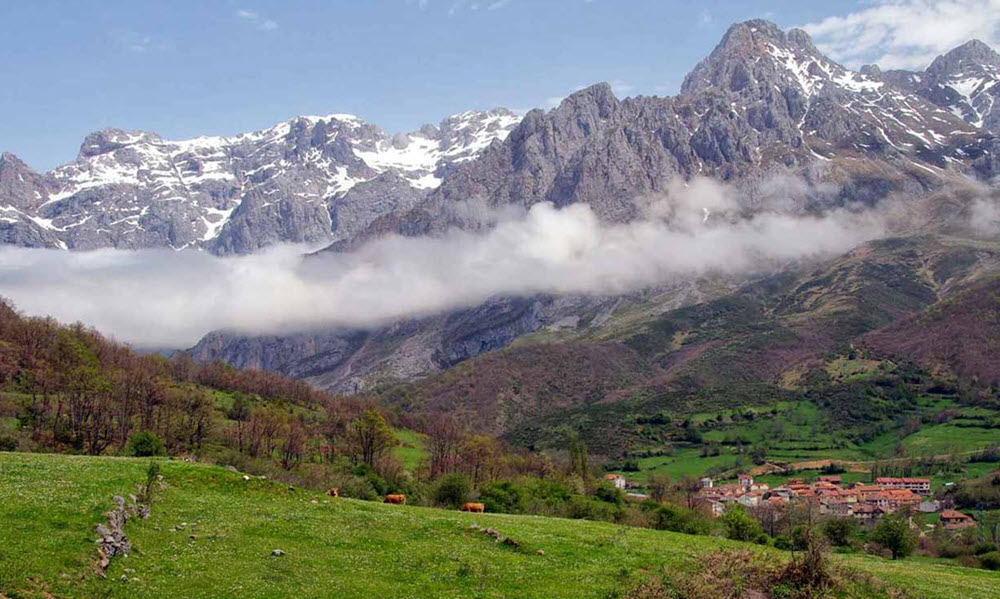
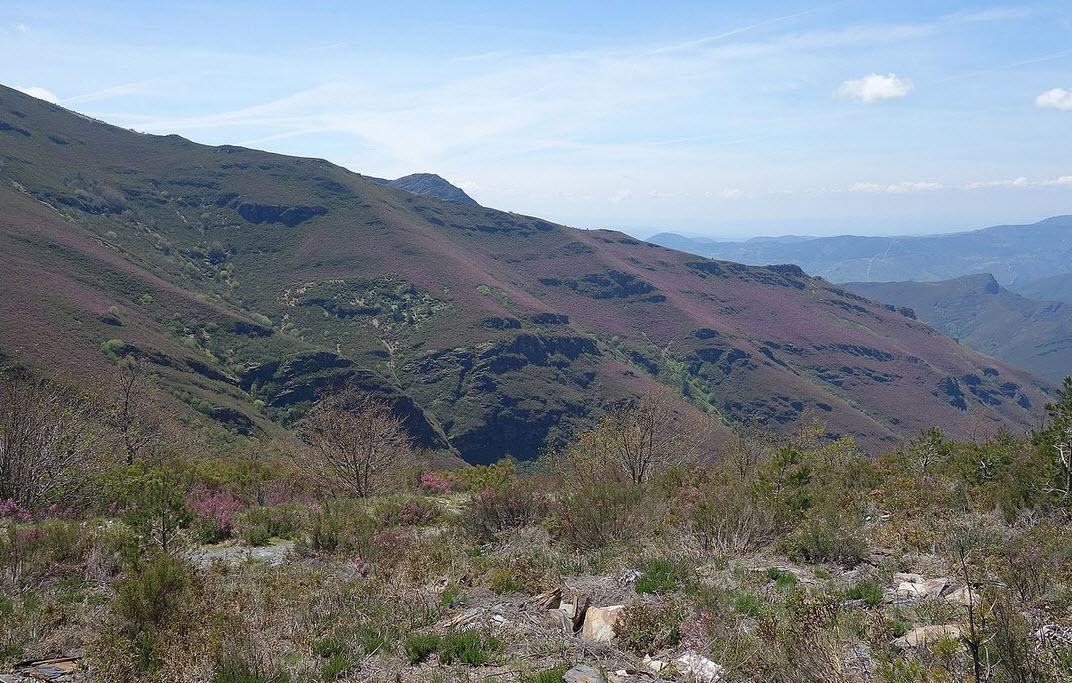
For those who prefer the hills and mountains – the sierras, there is
plenty of choice too. Just outside Málaga there is the reserve the
Montes de Málaga, much visited by the inhabitants of that
city at weekends and much more tranquil during the week, which has a variety
of raptors and passerines, including Hawfinch and Crested Tit,
which will interest many. A bit further afield, between San Pedro and the
very pleasant city of Ronda (apart from the smelly stream but where one
stands a good chance of eyeball views of Peregrine and Blue Rock
Thrush and possibly Rock Sparrow) there is the reserve of Sierra
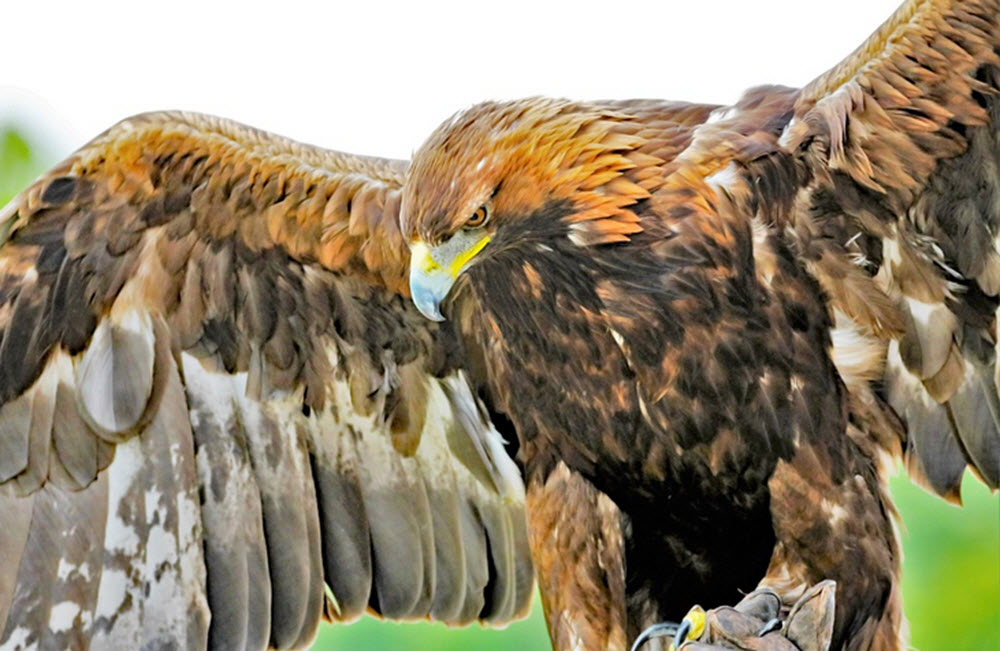
de las Nieves. This is a superb area where there are raptors such as Bonelli’s
and Golden Eagle, plus the usual more frequent species as
Peregrine. Starting from Los Quejigales, there is a wide variety
of passerines from woodland species such as Western Bonelli’s Warbler
at low levels, to nesting Skylark on the tops and a good chance of catching
both Blue Rock Thrush and the less common Rock Thrush at
levels over 1.500m.. In autumn the woods may abound with grounded migrants
when the weather has been less than favourable and it is a favoured site
for Ring Ousel.
Other good sites for mountain species and some raptors include El Chorro
and El Torcal. The Sierra de Camarolo, to the north of Málaga off
the road to Granada, is an interesting site and easily visited in a morning.
Raptors such as Golden Eagle and Bonelli’s Eagle apart, it
is a good site for both Cirl and Rock Bunting as well as
Rock Sparrow, and in the autumn there are often large congregations
of Ring Ousels.
One of the favoured sites of Málaga birders and of myself is
the mouth and ponds of the Río (river) Guadalhorce, just to the
west of Málaga city and just off the main motorway which makes it
highly accessible, entering where it is signed for San Julian and Guadalmar.
To get there, currently one must go into the urbanisation, heading towards
the coast and then cross the river where it is dammed and where it also
breaks regularly when the river floods, access then being impossible. A
bridge further inland is planned but God knows when it will occur!
In the past year birders entering have often been treated not only to
the sight of Audouin’s Gulls (April- September) but also a hybrid
Western Reef Heron x Little Egret of which up to four different
birds have been present. Once inside anything may be seen at any time of
year, ranging from the very rare such as Terek Sandpiper or Lesser
Yellowlegs and Marsh Sandpiper in recent years, to the introduced
in the form of weavers, waxbills with the noisy presence
of the Monk Parakeet. There are wintering ducks and the virtually
annual presence of White-headed Duck, with breeding Gadwall
and Pochard and large numbers of wintering Grey Herons and
Cormorants. Species such as the Marbled and Ferruginous
Ducks are much less common and the attractive Garganey occurs
sparingly each spring. The area is remarkably good for egrets and herons
in general, with a few each of Squacco and Little Bittern
each year, migrant Purple Herons at the appropriate seasons and,
of course, Little and Cattle Egret. The situation for waders
is, unfortunately, at the moment less favourable but there are often goodly
numbers of various species of gulls, Audouin’s apart. For the passerines,
virtually anything can occur during the migration season.
For the seabirders like myself, off-shore there are variable numbers
of Balearic Shearwaters and, in the summer, plenty of Cory’s,
but the Mediterranean Shearwater is extremely scarce. There are
skuas, mainly Arctic with few records of Great and Pomarine
and only one so far of Long-tailed. Terns are mainly Sandwich
although Little and Common occur on migration and there a
few records each of Roseate, Caspian and Royal while
the Lesser-crested is a scarce but annual autumn visitor. The majority
of gulls are Yellow-legged, Lesser Black-backed and Black-headed,
with a good contingent of Mediterranean during the migration periods
and the winter, while Slender-billed is unusual and any Nearctic
gull, of which there have been several, a total bonus. Auks, usually
Razorbills, are fairly scarce winter visitors and if one sees a
diver, the three common species having been recorded, it is definitely
a red-letter day! Seawatching can be done from either the mouth of the
Río Guadalhorce or from the seawalls at the marinas at Benalmádena
or Fuengirola, although I am fortunate enough to be able to do it fairly
well from my own apartment.
In spite of all this, do not despise the gardens of an apartment or
hotel room. In the winter there are plenty of Black Redstarts around
and the skies fill with Crag Martins. Raptors overfly at times and
Peregrine is reasonably frequent, which is more than can be said
for the two Egyptian Vultures one afternoon. Warblers can be seen
during migration times and my own garden warbler records include Subalpine,
Orphean, Melodious and Western Bonelli’s, with other
such attractive species as Pied, Collared and Red-breasted
Flycatcher (I flipped at that one!). Overhead ‘flybys’ I have seen
include raptors and such unexpected species such as Black Stork,
Night Heron and, by the streetlights of all things, a low-flying
Glossy Ibis! I have also seen in spring all European breeding swifts
in less than two hours one March afternoon during a mass arrival, and yes,
they included both Little Swift and White-rumped.
There are the birds, all one has to do is get out and look!
Note: All sites mentioned in this article, plus many more, are in Andy Paterson
and Ernest Garcia's book "Where
to watch birds in Southern and Western Spain".